 Loading... Please wait...
- Home
- GYMnTONIC Blog
- fat loss
GYMnTONIC Blog - fat loss
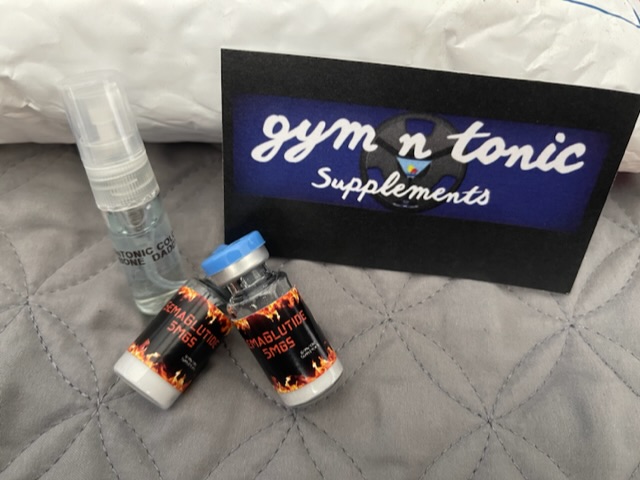
SemaGlutide - Weight/Fat Loss and Heart Health
Posted by Amino Asylum + Wesley Inman on 9th Jun 2022
Semaglutide, ( aka Glucagon-Like Peptide-1 (GLP-1) ) is a naturally occurring peptide known to lower blood sugar levels and enhance insulin secretion. Research shows that GLP-1 may also improve heart, liver, and lung function while helping to slow or prevent the effects of Alzheimer's disease. GLP-1 has been shown to significantly decrease appetite by delaying gastric emptying and reducing intestinal motility. Glucagon-Like Peptide-1 (GLP-1) Analog Shown to Stimulate Insulin and Suppress Glucagon Secretion in a Glucose-Dependent Manner
Research in animal models suggests that Semaglutide can stimulate the growth and proliferation of pancreatic beta cells and that it may stimulate the differentiation of new beta cells in the pancreatic duct epithelium. Research has also shown that GLP-1 inhibits beta cell apoptosis. This suggests that the peptide may be useful in treating diabetes and in protecting the pancreas against damage to beta cells.
Semaglutide was shown to inhibit the death of beta cells caused by enhanced levels of inflammatory cytokines. Mouse models of type-1 diabetes have revealed that Semaglutide protects cells from destruction and could be a useful means of preventing onset of type-1 diabetes.
Semaglutide and Appetite
Research in mouse models suggests that administration of Semaglutide into the brains of mice can reduce the drive to eat and inhibit food intake. It appears that Semaglutide may actually enhance feelings of satiety, helping individuals to feel fuller and reducing hunger indirectly. Recent clinical studies have shown in mice that twice daily administration of Semaglutide causes gradual, linear weight loss. Over a long period, this weight loss is associated with significant improvement in cardiovascular risk factors and a reduction in hemoglobin A1C levels.
Potential Cardiovascular Benefits
It is now known that GLP-1 receptors are distributed throughout the heart and act to improve cardiac function in certain settings by boosting heart rate and reducing left ventricular end-diastolic pressure. The latter may not seem like much, but increased LV end-diastolic pressure is associated with LV hypertrophy, cardiac remodeling, and eventual heart failure.
Recent evidence has even suggested that GLP-1 could play a role in decreasing the overall damage caused by a heart attack. It appears that the peptide improves cardiac muscle glucose uptake, thereby helping struggling ischemic heart muscle cells to get the nutrition they need to continue functioning and avoid programmed cell death. The increase in glucose uptake in these cells appears to be independent of insulin.
Large infusions of GLP-1 into dogs have been shown to improve LV performance and reduce systemic vascular resistance. The latter effect can help to reduce blood pressure and ease strain on the heart as a result. This, in turn, can help to reduce the long-term consequences of high blood pressure such as LV remodeling, vascular thickening, and heart failure.
Use discount code "WES15" at checkout for 20% off all orders of Semaglutide

A lot of people are betting Conor McGregor is going to knock out Floyd Mayweather
Your #1 Private Bodybuilding Supplement Companywww.gymntonic.comThe flurry of bets has been partly driven by a rule change for the bout allowing smaller 8-oz gloves.The last time Floyd Mayweather lost was when he was robbed as an amateur during the semi-finals of the 1996 Atlanta Olympics. He is unbeaten in 49 fights as a pro. He [...]
Peri Workout Nutrition: Managing Training Centric Shakes to Optimize Recovery and Gains
Peri Workout Nutrition: Managing Training Centric Shakes to Optimize Recovery and Gains Everyone knows recovery is truly essential to facilitating adaptation. No matter how hard you work one day, if you aren’t properly recovering from the stress imposed on your body then it can, and will, negatively impact your whole training week. In a nutshell, [...]