Loading... Please wait...
Categories
New Products
-
 $59.99
-
 $54.99
-
 $14.99
-
 $19.99
-
 $19.99
Our Newsletter
- Home
- FAT BURNERS/ THERMOGENICS
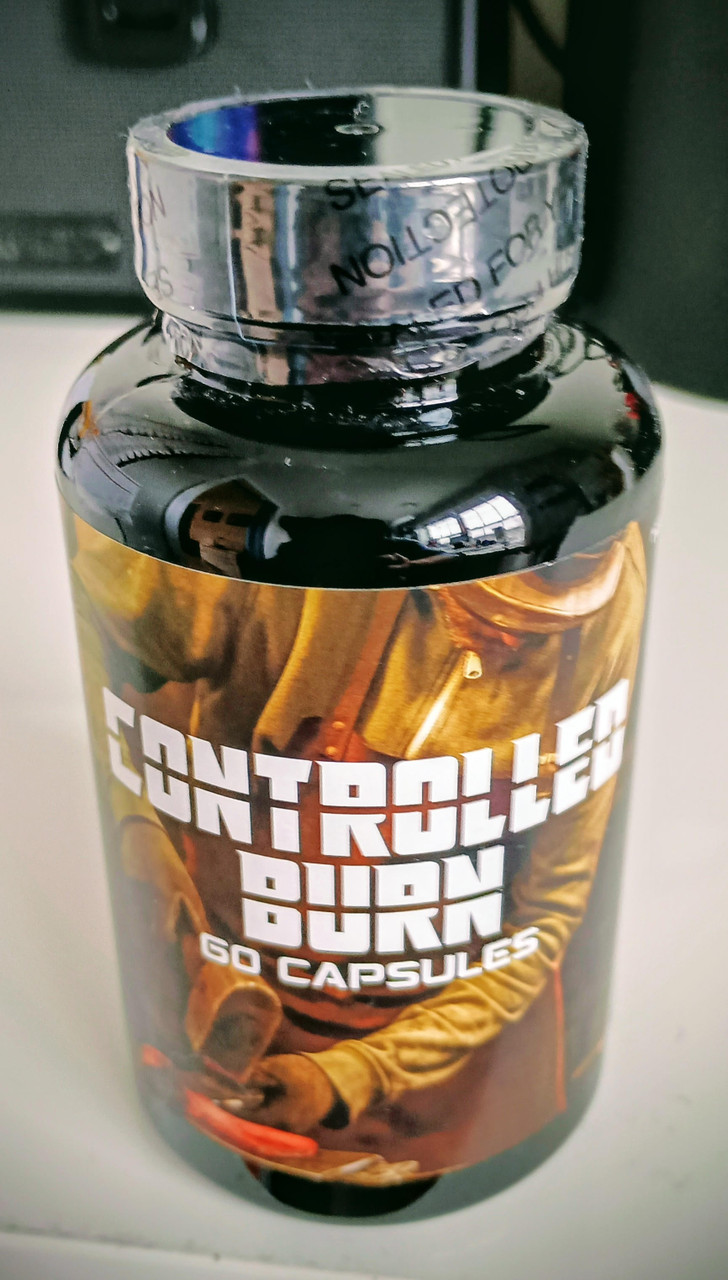
- Controlled Burn by Exodus (Oral Semaglutide + 5-Amino- 1MQ) Super fat Loss!!


 Super fat Loss!!, $99.99 (https://stores.gymntonic.com/controlled-burn-by-exodus-oral-semaglutide-5-amino-1mq-super-fat-loss/))
Product Description
Controlled Burn
By Exodus
Oral Semaglutide + 5-Amino- 1MQ
60 capsules (30 day supply)
DIRECTIONS:
TAKE 2 capsules a day
10mgs of Semaglutide per serving
150mgs of 5-Amino-1MQ per serving
5-AMINO-1MQ
5-Amino-1MQ, also known as 5-amino-1-methylquinolinium, is a promising wellness compound that may support fat burning, energy production, and healthy aging. As a small molecule, 5-Amino-1MQ acts on specific enzymes in the body to exert its effects. Rather than being a traditional weight loss compound, 5-Amino-1MQ is a nicotinamide N-methyltransferase (NNMT) inhibitor.
NNMT is an enzyme that depletes cellular stores of nicotinamide adenine dinucleotide (NAD+), a critical molecule involved in mitochondrial energy production and longevity pathways. NNMT activity is often upregulated in obesity, leading to reduced NAD+ levels and contributing to metabolic dysfunction.
By inhibiting NNMT, 5-Amino-1MQ may help maintain NAD+ levels, support mitochondrial function, and activate pathways associated with longevity.
ORAL SEMAGLUTIDE (rybelsus)
Oral semaglutide (Rybelsus) is approved by the U.S. Food and Drug Administration (FDA) for lowering blood glucose levels in people with type 2 diabetes and generally produces a modest amount of weight loss. The results depend on dose, duration, and adherence to the treatment. According to findings from the
, Rybelsus significantly improves A1C levels and supports weight reduction when taken along with lifestyle modifications such as calorie restriction and exercise and improves overall health and well-being.
Oral semaglutide is a proven and effective treatment for type 2 diabetes and weight loss. This medication delivers results comparable to or better than many older therapies while offering a convenient, needle-free option for those who prefer to avoid injections.
For years, weekly injections were the gold standard for GLP-1 treatments. Now, the question isn’t whether the oral medications work, but how well they stack up. We will break down the science behind it, the real-world results, and the main differences between the daily pill (Rybelsus) and the weekly shots (Ozempic/Wegovy).
In this article, we will cover how well oral semaglutide works, its proven effectiveness for blood sugar control and weight loss, and how it stacks up against injectable options.
What is oral semaglutide?
Oral semaglutide (marketed under the brand name Rybelsus) is the first FDA-approved oral glucagon-like peptide-1 (GLP-1) receptor agonist. Like injectable forms of GLP-1 medications semaglutide (Ozempic and Wegovy) and tirzepatide (Mounjaro and Zepbound), Rybelsus also works by stimulating GLP-1 receptors in your body to manage your blood sugar levels and support weight loss.
Rybelsus is an FDA-approved medication used to manage blood sugar levels in adults with type 2 diabetes mellitus when used along with a healthy diet and exercise. Rybelsus is available in R1 and R2 formulations, and each formulation has its own strength.
Days 1–30 – Starting phase
- R1: 3 mg once daily
- R2: 1.5 mg once daily
Days 31–60 – Escalation phase
- R1: 7 mg once daily
- R2: 4 mg once daily
Day 61+ – Maintenance phase
- R1: 7 mg or 14 mg once daily
- R2: 4 mg or 9 mg once daily
Oral semaglutide (Rybelsus) is primarily approved for type 2 diabetes but can be used off-label for weight management. In a 6-month study involving 703 adults with type 2 diabetes, Rybelsus showed modest weight loss when combined with diet and exercise. Participants who took 14 mg of Rybelsus experienced an average weight loss of around 8 pounds (starting weight ~194 pounds), while those on 7 mg lost about 5 pounds (starting weight ~196 pounds). In comparison, participants taking a placebo lost roughly 3 pounds (starting weight ~195 pounds).
It is important to note that Rybelsus is a prescription medication and should only be used when prescribed by a qualified healthcare provider.
The SNAC formulation
The major innovation behind oral semaglutide (Rybelsus) is its
formulation (sodium N-[8-(2-hydroxybenzoyl)amino]caprylate). SNAC protects the medication from being destroyed by stomach enzymes and enables the peptide to be absorbed in the stomach, which significantly enhances its effectiveness.
How does oral semaglutide work in your body?
The mechanism of action of Rybelsus is different than those of other antidiabetic pills. Like injectable semaglutide (Ozempic and Wegovy), this medication works through a triple mechanism of action. These include:
- Insulin boost: It stimulates the pancreas to release more insulin and enhances insulin sensitivity, but only when blood sugar is high, to avoid a high blood sugar spike after a meal.
- Appetite suppression: The medication mimics the effects of the GLP−1 hormone in the brain to reduce hunger and enhance satiety signals.
- Digestion slowing: Rybelsus slows stomach emptying, which keeps food in the stomach for a longer time. It promotes a feeling of satiety and helps reduce overall calorie intake.
Oral semaglutide is combined with an absorption enhancer called SNAC (sodium N-[8-(2-hydroxybenzoyl) amino] caprylate). SNAC helps semaglutide be absorbed in the stomach by raising the pH, making the drug more soluble, and protecting it from being destroyed by digestive enzymes.
is FDA-approved for type 2 diabetes. It should be taken once daily on an empty stomach with a small amount of water, at least 30 minutes before eating or taking other medications.
What does the science say about effectiveness?
Various clinical trials confirm that the oral form of semaglutide (Rybelsus) is effective for both improving blood sugar control in adults with type 2 diabetes and achieving clinically significant weight loss at higher doses (off-label).
Effectiveness for type 2 diabetes
Oral semaglutide is primarily
for improving blood sugar levels in adults with type 2 diabetes mellitus. In the
, 703 adults with type 2 diabetes took either oral semaglutide (3 mg, 7 mg, or 14 mg) or a placebo once daily for 26 weeks. Oral semaglutide significantly lowered blood sugar (HbA1c) in a dose-dependent manner, with higher doses leading to greater improvements. Compared with placebo, HbA1c dropped by 0.6% with 3 mg, 0.9% with 7 mg, and 1.1% with 14 mg. Among patients who stayed on the medication for the full study, the reductions were even larger, reaching up to 1.4% with the 14 mg dose.
Clinical trials demonstrate that oral semaglutide is superior to other oral antidiabetic agents such as metformin. In the
clinical trial, 822 patients with uncontrolled type 2 diabetes (who were previously taking metformin) were treated with either oral semaglutide 14 mg or empagliflozin 25 mg once daily for 52 weeks. At week 26, oral semaglutide lowered HbA1c by 1.3%, compared with 0.9% for empagliflozin. These results show that oral semaglutide provides superior blood sugar control compared with empagliflozin.
In the
, 711 adults with type 2 diabetes on metformin received oral semaglutide, subcutaneous liraglutide, or placebo for 52 weeks. At week 26, oral semaglutide lowered HbA1c by 1.2%, similar to liraglutide (1.1%) and much more than placebo (0.2%). This clinical trial states that oral semaglutide is non-inferior to liraglutide and superior to the placebo.
Oral semaglutide is an FDA-approved and effective treatment for type 2 diabetes, both as a monotherapy and in combination with other drugs such as metformin.
show that this medication significantly lowers HbA1c and body weight, whether used alone or in combination with glucose-lowering therapies.
Effectiveness for weight loss
Oral semaglutide is mainly prescribed to help control blood sugar levels (HbA1c) in adults with type 2 diabetes, but it can also be used off-label to promote weight loss. In the
, adults with overweight or obesity (without type 2 diabetes) took oral semaglutide 50 mg once daily for 68 weeks along with diet and exercise. Participants taking semaglutide lost an average of 15.1% of their body weight, compared with 2.4% for those on placebo. On average, patients can expect around 10% body weight loss over standard treatment periods. However, the individual results vary depending on the dose and starting weight.
These clinical trials show that oral semaglutide works best when combined with diet and exercise. However, the results mainly depend on the patients’ compliance and lifestyle.
Oral semaglutide vs. injectable semaglutide: Which is better?
Semaglutide is a GLP-1 receptor agonist drug, which is available as a daily oral tablet (Rybelsus) and a weekly subcutaneous injection (Wegovy and Ozempic). Both help with weight loss and blood sugar control, but they differ in efficacy and dosing. Understanding these differences helps guide the most effective choice for weight management.
Weight loss potential
Clinical trials show that injectable semaglutide (Wegovy) provides greater weight-loss results and is superior to oral semaglutide (Rybelsus). Wegovy is a GLP-1 receptor agonist FDA-approved for chronic weight management.
Oral semaglutide (Rybelsus) and injectable semaglutide (Wegovy) both promote weight loss, but their efficacy differs. In the
, adults with type 2 diabetes taking 14 mg oral semaglutide daily lost about 2.3 kg over 26 weeks. In contrast, in the
, adults with obesity (without diabetes) receiving weekly subcutaneous injection of semaglutide (Wegovy) 2.4 mg lost 15.3 kg (14.9%) over 68 weeks. The greater effect of the injectable semaglutide is mainly due to higher dosing and greater systemic exposure for weight management.
The highest approved dose of oral semaglutide (Rybelsus) for T2D is lower than the maximum dose of injectable semaglutide (Wegovy) used for weight loss.
Clinicians report that injectable semaglutide (Wegovy) often leads to greater weight loss than oral semaglutide (Rybelsus). This is because the higher-dose weekly injection achieves higher circulating drug levels, resulting in stronger appetite suppression and enhanced metabolic effects. Patients on the injectable version consistently achieve more substantial and sustained weight reduction compared with those taking the oral formulation.
Newer, higher-dose oral semaglutide formulations are under investigation for weight management. In a 68-week
involving 667 adults with obesity or overweight and at least one weight-related comorbidity, such as high blood pressure or high cholesterol, participants receiving oral semaglutide 50 mg daily in combination with a healthy lifestyle intervention experienced a mean weight loss of 15.1%, compared with 2.4% in the placebo group. The weight-loss effect of this high-dose oral formulation was similar to that achieved with the weekly 2.4 mg injectable semaglutide (Wegovy).
The main advantage of oral semaglutide (Rybelsus) is that it has a non-invasive (needle-free) daily administration, particularly for patients who are uncomfortable with injections. However, this convenience comes with strict adherence. The pill must be taken on an empty stomach with a minimal amount of water 30 minutes before consuming foods, drinks, or other medications. Therefore, oral semaglutide requires daily attention and should be taken every day at specific times. In contrast, once weekly semaglutide (Wegovy) does not require daily attention but involves weekly injections.
Pros and cons of the oral pill
The oral pill offers several advantages, particularly for those who prefer non-invasive options. It is more discreet than injections and may be easier for some people to manage, as it only requires swallowing a pill daily rather than scheduling and administering injections. However, there are some notable drawbacks which may include:
- Strict administration rules: The pill must be taken with a small sip of water, on an empty stomach, and followed by a 30-minute wait before eating or drinking anything else.
- Lower maximum dose: Compared with injectable options, oral formulations currently offer a lower maximum dose, which may negatively affect weight loss outcomes.
Head-to-head trial data: Oral vs. injectable semaglutide
In a 68-week
that involved 667 adults with obesity or overweight and at least one weight-related health condition, participants taking oral semaglutide 50 mg daily lost 15.1% of their body weight, compared with 2.4% in the placebo group. This weight loss result was similar to what is typically seen with weekly 2.4 mg semaglutide injection (Wegovy) for managing obesity. However, injectable semaglutide (Wegovy) is specifically indicated for weight loss and provides significantly greater results than oral semaglutide. The 50 mg dose of oral semaglutide is not yet FDA-approved.
The main difference between the oral and injectable semaglutide is the formulation, dose, and its use. The injectable semaglutide 2.4 mg weekly is FDA approved for obesity and often produces greater weight loss results vs Rybelsus, which is tested and FDA approved for type 2 diabetes only. However, newer and stronger versions of the semaglutide pill are working better than before in clinical studies.